Marcus walked into our Portland studio last March looking defeated. He had been bulking for six months, eating in a slight surplus, lifting four days a week, and the scale had moved from 178 pounds to 192. His goal was to build muscle, and by every conventional metric, he had succeeded. But when he looked in the mirror, he saw softness. When he put on his jeans, they felt tight in the waist. When he checked his body fat percentage on his home BIA scale, it had climbed from 18% to 22%. He was convinced he had failed. He was ready to slash his calories, add cardio, and abandon the bulk.
I put him on the DEXA platform, ran the scan, and pulled up the report. His lean mass had increased by 9.4 pounds. His fat mass had increased by 4.6 pounds. He had gained roughly two pounds of muscle for every pound of fat — an excellent ratio for a natural lifter in a moderate surplus. His bone density had improved. His visceral fat area had barely changed. By every physiological metric that actually matters, his bulk was going beautifully. But the scale and the mirror had convinced him he was getting fat.
This is the central problem with tracking body composition by weight alone: weight is the sum of everything, and it tells you almost nothing about the quality of what you have gained or lost. Lean body mass — your muscles, bones, organs, and water — is what drives your metabolism, your strength, your longevity, and your ability to do the things you enjoy. Fat mass matters too, but the ratio between the two, and the trend of each independently, is what tells the real story. The scale only gives you the sum. You need the components.
📊
Lean Body Mass Calculator
Calculate lean body mass from weight and body fat percentage. Includes bone mass estimate, organ mass reference ranges, and residual mass breakdown.
All data stays in your browser — we never see it.
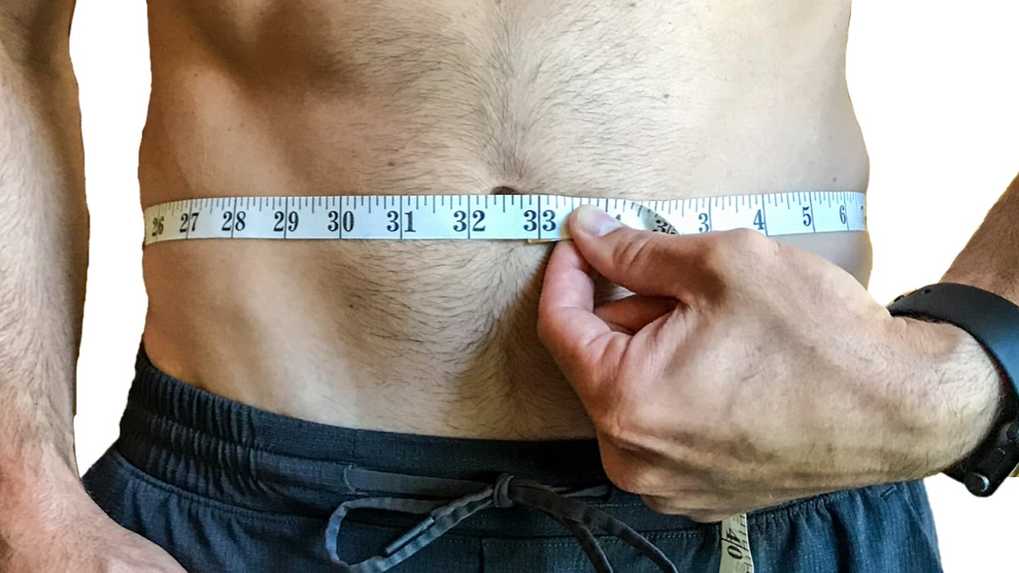
The first tool I want you to use is not a scale. It is a tape measure. Specifically, three tape measurements taken consistently over time: your waist at the navel, your hip at the widest point, and your thigh at mid-length. These three numbers, tracked monthly, tell you more about your body composition than your weight ever will. When your waist stays stable or decreases while your thigh and hip measurements increase, you are gaining muscle in your lower body while controlling abdominal fat. When your waist increases faster than your hips, you are gaining visceral fat and need to adjust your nutrition. When all three increase proportionally, you are in a true surplus and gaining both muscle and fat — which may be fine depending on your goals.
Here is how those measurements correlate with actual body composition changes:
| Measurement Pattern | What It Means | Recommended Action |
|---|
| Thigh/hip up, waist stable | Muscle gain, fat controlled | Continue current plan |
| Thigh/hip up, waist up slightly | Mixed gain, mostly muscle | Slight calorie reduction if desired |
| Waist up, thigh/hip stable | Fat gain, no muscle | Reduce surplus, check protein |
| All measurements down | Deficit, possible muscle loss | Increase calories or protein |
| Thigh/hip down, waist stable | Muscle loss, fat maintained | Urgent: increase resistance training |
The second tool is progress photos. I know, I know. Everyone hates progress photos. They are awkward, they feel vain, and the lighting in your bathroom is terrible. But photos are the single most reliable way to track visual body composition change over time, and they are completely free. I tell clients to take four photos every four weeks: front, back, and both sides, in consistent lighting, at the same time of day, wearing the same clothing. Do not look at them for four weeks. Then compare. The day-to-day mirror check is useless because your brain normalizes your appearance. The four-week comparison is shocking because it shows change your brain had filtered out.
📊
Body Recomposition Planner
Plan your body recomposition with realistic timelines. Bulk rate, cut rate, maintenance calories, protein targets, and timeline to goal body fat percentage.
All data stays in your browser — we never see it.
The third tool is performance tracking. Your strength in the gym is one of the best proxies for lean mass change available to you without any equipment. If your squat, deadlift, bench press, and overhead press are all increasing over a twelve-week period, you are almost certainly gaining muscle. If your strength is stalling and your weight is increasing, you are probably gaining fat. If your strength is increasing and your weight is stable, you are recomping — building muscle and losing fat simultaneously, which is the holy grail of body composition but also the slowest path.
I track my own lifts in a simple spreadsheet: exercise, weight, reps, date. Every twelve weeks, I look at the trend. If my working weights have increased by 5% to 10% across my main lifts, I know my lean mass is trending upward regardless of what the scale says. If my weights are flat and my waist is up, I know I need to tighten my nutrition. The barbell does not lie. The scale does.
📊
Skinfold Measurement Tracker
Log your skinfold measurements over time. Site selection guide, mm trend chart, and technician error warnings. All data stored locally.
All data stays in your browser — we never see it.
For those who want numbers without the scale obsession, I recommend a combined approach. Use our Lean Body Mass Calculator to estimate your lean mass from your weight and a body fat percentage measured by any method — Navy method, skinfold calipers, or even a home BIA scale used under consistent conditions. Track that estimated lean mass number monthly, not daily. Combine it with your tape measurements, your progress photos, and your strength numbers. After three months, you will have a multi-dimensional picture of your body composition that no single metric could provide.
The key insight here is that lean mass and fat mass change on different timelines. Fat loss can happen relatively quickly — one to two pounds per week in a deficit. Muscle gain is slow — half a pound to one pound per week for beginners, and far less for experienced lifters. If you are trying to track both with a single number on a scale, you are asking one instrument to do the job of four. It cannot. It will not. And you will drive yourself crazy trying.
I also want to address the psychological side of this, because it matters as much as the physiology. The members at our studio who tracked lean mass separately from fat mass — using DEXA, skinfolds, or our calculators — reported significantly less anxiety about their progress than members who only weighed themselves. They understood that a two-pound weight gain could be mostly muscle. They did not panic when the scale went up. They celebrated when their waist stayed flat and their lifts went up. The data gave them context, and context gave them peace of mind.
How can I track lean body mass without a DEXA scan?
Use our Lean Body Mass Calculator with your weight and a body fat percentage from the Navy method, skinfold calipers, or consistent home BIA readings. Combine this with monthly tape measurements, progress photos, and strength tracking for a complete picture.
Why does my weight go up when I am building muscle?
Muscle is denser than fat and weighs more per unit volume. Gaining five pounds of muscle while losing two pounds of fat results in a three-pound scale increase and a smaller, tighter body. The scale number is not the story. The composition is.
How often should I take progress photos?
Every four weeks, at the same time of day, in the same lighting, wearing the same clothing. Take front, back, and both side views. Do not analyze them until you have at least two sets to compare. Daily mirror checks filter out gradual change.
What tape measurements matter most for body composition?
Waist at the navel, hip at the widest point, and thigh at mid-length. Waist correlates with visceral fat and metabolic risk. Thigh and hip correlate with lower body muscle mass. The ratio between them tells you more than any single number.
Can I gain muscle and lose fat at the same time?
Yes, but slowly. Body recomposition is most achievable for beginners, people returning after a layoff, and those with higher body fat percentages. It requires adequate protein, progressive resistance training, and patience. Use our Body Recomposition Planner to set realistic expectations.
Marcus stayed on his bulk after that DEXA scan. He stopped weighing himself daily. He started taking monthly photos and tracking his lifts. Four months later, his DEXA showed another 6.2 pounds of lean mass gained and only 1.8 pounds of fat. His jeans fit better. His deadlift PR jumped by twenty pounds. And he told me the best part was not the numbers. It was that he had stopped hating his reflection.
Your body is not a number on a screen. It is a system of tissues that respond to training, nutrition, sleep, and time. Track the system, not the sum. The scale will never tell you the whole story. But your measurements, your photos, your strength, and your patience will.
— Emily Clarke, Portland, Oregon