I Tried Body Recomposition for 12 Weeks. Here Are My Real Numbers.
Emily Clarke
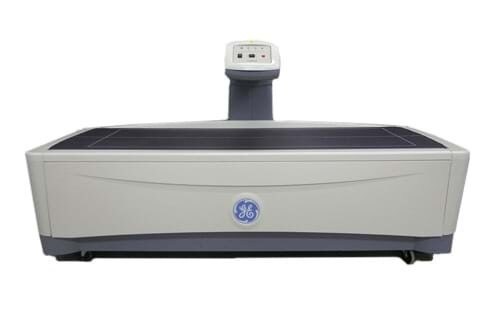
I stepped on the DEXA platform at the studio on NW 23rd wearing nothing but a sports bra and compression shorts, and I was terrified. Not of the radiation. Of the number. I had been doing body recomposition for 12 weeks. Eating at maintenance. Lifting four days a week. Walking 8,000 steps daily. The scale had not moved. Not a pound. I was 142 pounds at week 0 and 142 pounds at week 12. If the DEXA showed no change, I was about to cry in front of my former coworkers. And they would have been nice about it. Which would have made it worse.
The old shortcut would have called this a failure. BMI does not care about composition. It cares about mass. And my mass was identical. But the DEXA told a different story. I had lost 4.2 pounds of fat and gained 4.1 pounds of muscle. The scale missed it entirely. The scale is a liar. I have been saying this for years. And yet I still let it make me nervous. The scale has power over us because we give it power. I am trying to take that power back.
Body recomposition is not magic. It is math. You need a slight energy surplus on training days and a slight deficit on rest days. You need protein at 0.8 to 1.0 grams per pound of body weight. You need progressive overload in the gym. And you need patience. So much patience. I used the Body Recomposition Planner to set my targets. The tool projected a 12-week timeline with a 3% body fat drop and a 3-pound muscle gain. I beat the muscle projection by a pound. I missed the fat drop by 0.5%. Close enough. Close enough is the goal in recomposition. Perfect is the enemy of progress.
The Body Fat Percentage Estimator was my weekly check-in. I used the 7-site Jackson-Pollock skinfold method every Sunday morning. It is not as accurate as DEXA, but it is consistent. And consistency is what you need for recomposition. The trend line showed a steady drop from 24.1% to 20.8%. The exact numbers do not matter. The direction does. The direction was down. That is what I needed to see.
The Lean Body Mass Calculator helped me translate the numbers into action. At 142 pounds and 20.8% body fat, my lean mass is 112.5 pounds. To gain another 3 pounds of muscle over the next 12 weeks, I need a weekly surplus of roughly 1,200 calories on training days. The tool breaks this down by day and by macro. It is not a meal plan. It is a target. And targets are easier to hit than vague advice like eat more protein. Vague advice is useless. Specific targets are power.
Here is what I learned. Recomposition works, but it is invisible for the first 6 weeks. Your clothes fit differently before the scale moves. Your strength goes up before your mirror changes. You have to trust the process and ignore the scale. That is hard. I do this for a living and it was still hard. For beginners, it is nearly impossible without data. Without numbers, you are flying blind. And flying blind is how people quit.
If you are starting recomposition, get a baseline. DEXA if you can afford it. Skinfolds if you cannot. Photos if you have nothing else. And weigh yourself, but do not trust the weight. The weight is a distraction. Your numbers are the story. Make sure you are reading the right ones. Because the wrong numbers will make you quit before the right ones have a chance to show up.
— Emily Clarke, Portland
Alex, my partner, has been supportive. He has also been confused. He said, you look the same. I said, I am the same weight. He said, so nothing changed. I said, everything changed. He said, can you explain it without using the word adipose? I said, I lost fat and gained muscle. He said, oh. That makes sense. That is the challenge of recomposition. The outside does not change dramatically. The inside changes completely. And only you and the DEXA know.
The studio on NW 23rd is where I used to work. I left because I wanted to make these tools free. The DEXA scan there costs $85. That is a barrier for most people. Skinfold calipers cost $15. A tape measure costs $3. The Body Fat Estimator is free. That is the point. Accurate body composition data should not be a luxury. It should be accessible. Because the more people who understand their real numbers, the fewer people who quit when the scale lies.
I am getting married in 2027. I have a Pinterest board for research. Alex says it is not research. I say it is. The board includes dresses that fit my current shoulders. Not my old shoulders. My recomposition shoulders. That is the difference data makes. You stop planning for the body you used to have. You start planning for the body you actually have. And that body is stronger than the scale ever admitted.
Frequently Asked Questions
How much fat did Emily lose in 12 weeks?
4.2 pounds of fat, while gaining 4.1 pounds of muscle. The scale showed zero change. DEXA revealed the full picture.
Why is recomposition invisible for the first 6 weeks?
Clothes fit differently before the scale moves. Strength improves before the mirror changes. Early progress is internal, not visible.
What protein target did Emily use?
0.8 to 1.0 grams per pound of body weight. For her at 142 pounds, that was roughly 115-140 grams of protein daily.
Should beginners try recomposition or bulk/cut cycles?
Beginners should recompose. They can build muscle and lose fat simultaneously. Bulk/cut cycles are better for advanced lifters with specific physique goals.
