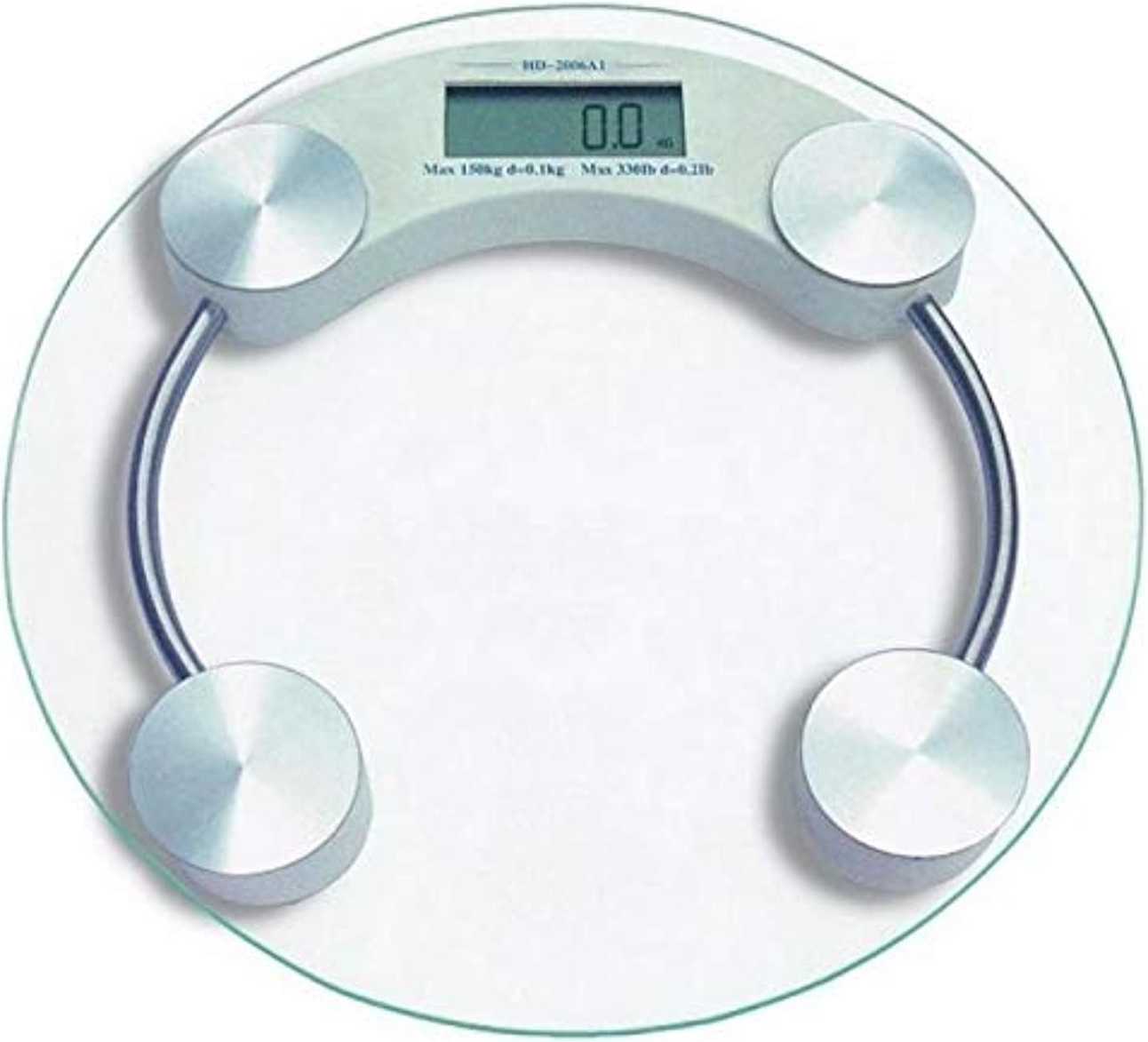
I stepped on my bioimpedance scale on August 1st and nearly fell off. The app told me my body fat percentage had dropped from 24.3% to 19.8% overnight. Overnight. I had not changed my training. I had not changed my diet. I had not discovered some magical fat-loss protocol between dinner and breakfast. What I had done was drink two liters of water the evening before, because Portland was in the middle of a heat wave and our apartment does not have air conditioning. My scale saw all that extra water, interpreted it as lean mass, and recalculated my body fat downward by four and a half percentage points. Four and a half points. From a glass of water.
This is the single most important fact about body composition testing that nobody tells you: hydration dominates everything. Every method. Every device. Every reading you have ever taken was influenced by how much water was in your body at that exact moment, and if you do not control for hydration, your numbers are not tracking body fat. They are tracking your water bottle.
Bioelectrical impedance analysis — the technology inside nearly every consumer scale and gym body fat machine — is the most hydration-sensitive method. BIA sends a tiny electrical current through your body and measures resistance. Fat resists electricity. Water conducts it. Muscle, being roughly 75% water, also conducts electricity well. When you are well-hydrated, the current travels easily through your muscles, the machine interprets that low resistance as lots of lean mass, and it calculates a lower body fat percentage. When you are dehydrated, resistance goes up, the machine sees less lean mass, and your body fat percentage spikes. It is not magic. It is physics.
📊
Bioelectrical Impedance Guide
Understand how BIA works, what affects accuracy, and how to get the most consistent readings. Hydration, electrode placement, consumer vs professional devices.
All data stays in your browser — we never see it.
The magnitude of this effect is staggering. A 2007 study by Garthe et al. tested BIA accuracy under controlled hydration conditions and found that a one-liter increase in total body water shifted body fat percentage readings by an average of 2.8%. Two liters shifted it by 5.1%. To put that in perspective, the difference between "athletic" and "fitness" on most body fat charts is about five percentage points. You can move yourself from one category to another by drinking a couple of water bottles.
And it is not just BIA. Even DEXA, the most accurate widely available method, is affected by hydration. DEXA uses X-rays to distinguish bone, lean tissue, and fat based on their different densities. Water is denser than fat but less dense than muscle, so changes in hydration shift the calculated boundaries between tissue compartments. The effect is smaller than BIA — roughly plus or minus 0.5% to 1% for typical hydration variations — but it is still real. When I ran the DEXA program at our Portland studio, we instructed clients to arrive in their normal hydrated state, not super-hydrated and not dehydrated, because both extremes skewed the results.
Skinfold calipers are less affected by acute hydration changes because they measure the thickness of subcutaneous fat directly, not through electrical or density properties. But even skinfolds are not immune. Dehydration can reduce skin turgor and make the skinfold easier to compress, potentially leading to slightly lower readings. Overhydration can increase subcutaneous water and make the skinfold thicker, potentially increasing the reading. The effect is small — usually under one percentage point — but it exists.
📊
Body Fat Percentage Estimator
Estimate your body fat percentage using the Navy method, YMCA method, or 3-site/7-site skinfold Jackson-Pollock equations. Free. Private. No data leaves your browser.
All data stays in your browser — we never see it.
Here is what different hydration states do to your readings across methods:
| Hydration State | BIA Effect | DEXA Effect | Skinfold Effect |
|---|
| Dehydrated (-1L water) | +2.5% to +4% | +0.3% to +0.8% | -0.3% to -0.5% |
| Normal (baseline) | Baseline | Baseline | Baseline |
| Well-hydrated (+1L water) | -2% to -3% | -0.3% to -0.6% | +0.2% to +0.4% |
| Overhydrated (+2L water) | -4% to -6% | -0.5% to -1% | +0.3% to +0.6% |
| Post-exercise (sweat loss) | +3% to +5% | +0.4% to +0.9% | -0.2% to -0.4% |
The practical implications are enormous. If you test yourself first thing in the morning after eight hours without water, you are dehydrated. Your BIA reading will be artificially high. If you test after dinner with a full stomach and two glasses of wine, you are overhydrated and your reading will be artificially low. If you test after a hard workout, you have lost water through sweat and your reading will spike. If you test during your luteal phase when progesterone promotes water retention, your reading will drop. Every single one of these scenarios is normal daily life, and every single one of them corrupts your body fat data.
So what do you do? The answer is standardization, not perfection. You cannot control your hydration perfectly, and you should not try. What you can do is create a consistent testing routine that minimizes variation. I recommend the following protocol for anyone using a home BIA scale: test first thing in the morning, after using the bathroom, before eating or drinking anything, in light clothing, at the same room temperature, on the same day of the week. This does not eliminate hydration effects — it reduces them to a manageable level where weekly trends become visible over monthly timeframes.
📊
Skinfold Measurement Tracker
Log your skinfold measurements over time. Site selection guide, mm trend chart, and technician error warnings. All data stored locally.
All data stays in your browser — we never see it.
For professional testing like DEXA or skinfold calipers, the protocol is even more specific. At our studio, we told clients to maintain normal hydration for the twenty-four hours before testing — drink your usual amount of water, do not chug extra, do not restrict. Avoid alcohol for twenty-four hours. Avoid intense exercise for twelve hours. Eat a normal meal within four hours of the test. These rules are not about creating some mythical "perfect" state. They are about creating a consistent state so that your August reading is comparable to your May reading.
The August heat wave in Portland this year made this more relevant than ever. I saw a flood of messages from locals who were testing at home and panicking about sudden drops in body fat percentage. They were not losing fat. They were drinking more water because it was ninety-five degrees outside and their bodies needed it. The scale was not lying — it was doing exactly what BIA does, which is measure electrical resistance and interpret it through an algorithm. The algorithm assumes a normal hydration state. When you are not in a normal hydration state, the algorithm produces garbage.
I want to be clear about something: this is not a flaw in BIA technology that will be fixed by the next software update. It is a fundamental limitation of the physics. BIA measures electrical impedance. Impedance is dominated by water content. Water content changes constantly. Therefore, BIA readings change constantly. The only way to get useful data from BIA is to standardize the conditions so tightly that the water variation becomes smaller than the fat variation you are trying to detect. That means same time, same day, same state — every single time.
Does drinking water before a body fat test change the result?
Yes, dramatically for BIA. One liter of extra water can lower your BIA body fat reading by 2% to 3%. Two liters can shift it by 4% to 6%. DEXA is less affected (plus or minus 0.5% to 1%), and skinfolds are minimally affected (plus or minus 0.3% to 0.6%).
What is the best time of day to measure body fat?
First thing in the morning, after using the bathroom, before eating or drinking, at a consistent room temperature. This minimizes day-to-day variation from hydration, food intake, and activity.
Why did my body fat percentage drop after a hot day?
You probably drank more water to stay hydrated in the heat. The extra water increased your total body water, which lowered electrical resistance on BIA and made the algorithm calculate less body fat. You did not lose fat. You gained water.
How much does exercise affect body fat readings?
Intense exercise can raise BIA readings by 3% to 5% due to sweat loss and shifted fluid distribution. Wait at least twelve hours after hard training before testing for the most consistent results.
Can I trust my smart scale if I drink different amounts of water every day?
Only for long-term trend tracking under standardized conditions. Daily readings with variable hydration are tracking water, not fat. Use weekly averages at the same time of day, and look at the four-week trend, not individual points.
Your body is mostly water. Your body fat test is mostly a water test. The sooner you accept that, the sooner you can build a testing routine that actually tells you something useful. And the next time Portland hits ninety-five degrees and your scale congratulates you on losing three percent body fat overnight, you will know exactly what happened — and you will not celebrate a water bottle.
— Emily Clarke