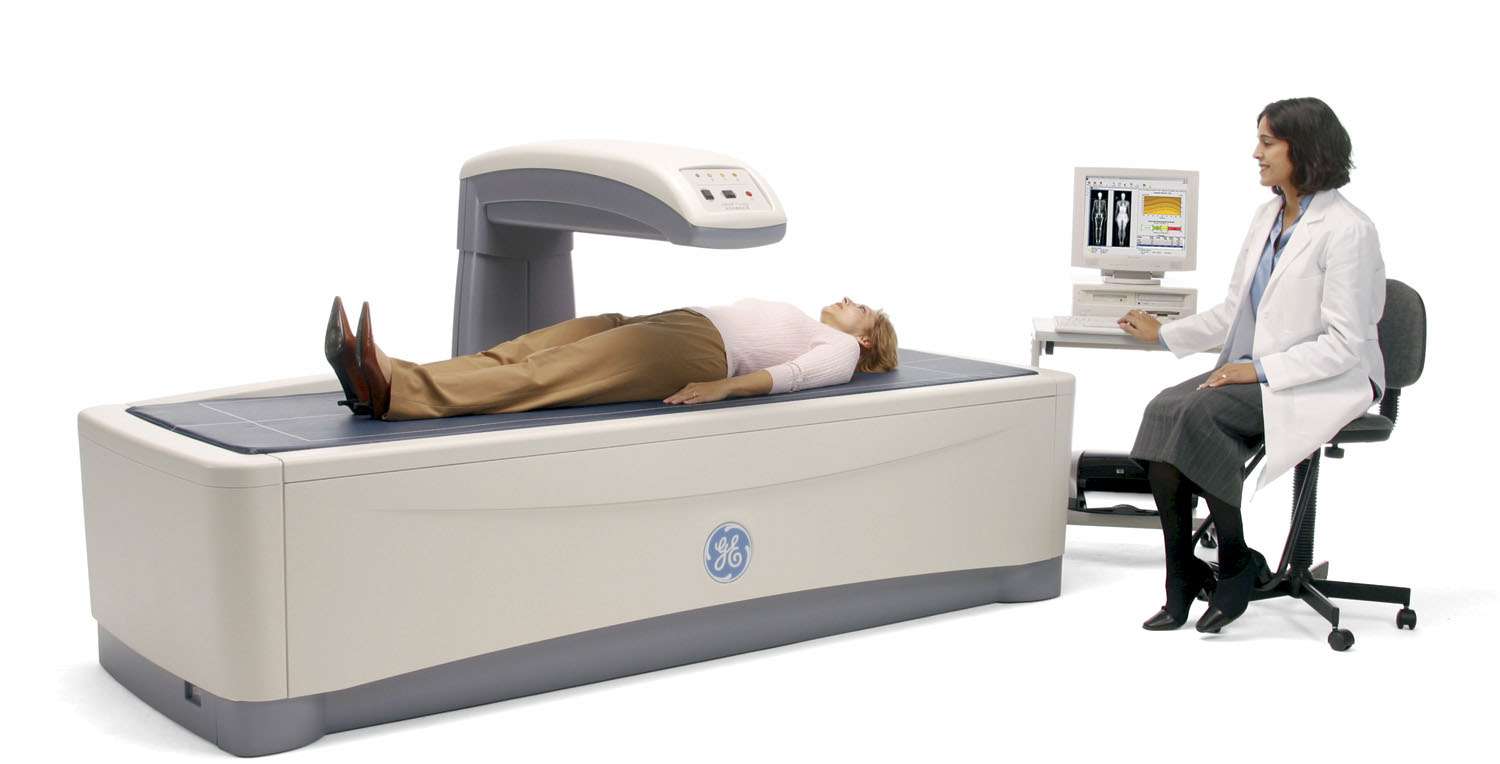
I called twelve DEXA providers in the Portland metro area last week and asked one question: how much does a scan cost? The answers ranged from forty-five dollars to three hundred and fifty. The same test. The same technology. The same fifteen minutes on a table. A nearly eight-fold price difference for a service that produces essentially the same data. If you have ever wondered why healthcare pricing makes no sense, DEXA scanning is a perfect case study.
The cheapest option I found was a research study at Oregon Health & Science University recruiting participants for a body composition validation project. They offered free DEXA scans to qualified volunteers, with the caveat that your data would be used anonymously in a research database. The catch: you had to meet inclusion criteria, commit to a follow-up scan in six months, and wait six to eight weeks for an appointment slot. For someone who needs a baseline before starting a training program, that timeline is useless. For a student or retiree with flexible scheduling, it is an incredible deal.
The next tier was fitness-focused DEXA providers — independent studios and wellness centers that bought a scanner specifically for body composition testing rather than bone density. These ranged from seventy-five to one hundred fifty dollars per scan, with package deals bringing the per-scan cost down to fifty or sixty if you bought four or more upfront. The quality at these studios varies enormously. Some have certified technicians who follow standardized protocols, calibrate their machines monthly, and provide detailed reports with regional breakdowns. Others bought a used scanner off eBay, hired a receptionist to press buttons, and charge premium prices for mediocre data.
📊
Body Fat Percentage Estimator
Estimate your body fat percentage using the Navy method, YMCA method, or 3-site/7-site skinfold Jackson-Pollock equations. Free. Private. No data leaves your browser.
All data stays in your browser — we never see it.
Here is the complete 2026 Portland DEXA price breakdown:
| Provider Type | Price Range | Appointment Wait | Report Quality | Best For |
|---|
| Research studies (OHSU) | Free | 6-8 weeks | Basic | Students, flexible schedules |
| University clinics | $50-$90 | 2-4 weeks | Good | General health, baseline |
| Fitness studios | $75-$150 | 1-2 weeks | Variable | Athletes, frequent testing |
| Sports medicine clinics | $120-$200 | 3-7 days | Excellent | Medical-grade accuracy |
| Hospital radiology | $200-$350 | 1-3 days | Medical | Insurance coverage, bone density |
| Mobile DEXA services | $100-$180 | 1-2 weeks | Good | Convenience, group rates |
The hospital radiology departments were the most expensive, at two hundred to three hundred fifty dollars per scan, but they were also the only providers that consistently billed insurance. If your doctor orders a DEXA for bone density screening — which Medicare covers for women over sixty-five and men over seventy — the hospital route can actually be cheaper out-of-pocket than a fitness studio. The downside is that hospital DEXA protocols are optimized for bone density, not body composition. The software settings, scan speed, and analysis algorithms differ between bone density mode and body composition mode, and not all hospital technicians are trained in the body composition settings. You might get a perfect bone density report and a mediocre body composition breakdown.
📊
Bioelectrical Impedance Guide
Understand how BIA works, what affects accuracy, and how to get the most consistent readings. Hydration, electrode placement, consumer vs professional devices.
All data stays in your browser — we never see it.
The sports medicine clinics hit the sweet spot for most people. At one hundred twenty to two hundred dollars, they offer medical-grade equipment, certified technicians, standardized body composition protocols, and detailed reports that include regional breakdowns, visceral fat area, and bone mineral density. The wait times are short — usually three to seven days — and the staff understands athletic populations. I send most of my Portland clients to a sports medicine clinic on the east side that charges one hundred forty-five dollars per scan and offers a four-scan package for four hundred fifty dollars. The technician there used to work in our studio and knows the difference between a bodybuilder and a CrossFitter.
Mobile DEXA services are a newer option in Portland — a truck with a portable scanner that parks at gyms, corporate wellness events, and fitness expos. Prices range from one hundred to one hundred eighty dollars, with group discounts for ten or more people. The convenience is unbeatable, and the quality is generally good if the operator is certified. The risk is calibration. A mobile scanner that travels over Oregon's pothole-ridden roads and gets jostled in transit may drift out of calibration faster than a stationary machine. I always ask mobile operators when their machine was last calibrated and whether they have phantom scan data to verify accuracy.
📊
BMI vs Body Fat Analyzer
Compare BMI and body fat percentage side by side. Detect BMI false positives for athletes and flag normal weight obesity. Free. Private.
All data stays in your browser — we never see it.
What should you actually pay? For a baseline scan, budget one hundred to one hundred fifty dollars at a reputable fitness studio or sports medicine clinic. For annual follow-ups, look for package deals that bring the per-scan cost below one hundred. If you are over sixty-five and your doctor orders the scan for bone density, use a hospital and bill insurance. If you are a student or researcher, check OHSU's current studies for free screening opportunities. If you need frequent tracking — every three months for competition prep, for example — negotiate a package rate or find a mobile provider who offers repeat-customer discounts.
The cheapest scan is not always the best value. A forty-five-dollar scan from an uncertified operator with a poorly calibrated machine produces data that is worse than useless — it is misleading. I would rather pay one hundred fifty dollars for an accurate scan than forty-five dollars for fiction. Your body composition data guides your training, your nutrition, and your health decisions. It is worth paying for quality.
How much does a DEXA scan cost in Portland?
Prices range from free (research studies at OHSU) to $350 (hospital radiology). Most people should expect to pay $75 to $150 at a fitness studio or sports medicine clinic for a high-quality body composition scan.
Does insurance cover DEXA scans in Oregon?
Medicare covers DEXA for bone density screening in women over 65 and men over 70. Some private insurers cover DEXA for body composition if medically indicated, but most do not. Check with your specific plan.
Are cheap DEXA scans less accurate?
Not necessarily, but uncertified operators and poorly calibrated machines can produce worse data than more expensive, well-maintained scanners. Ask about calibration schedules, technician certification, and whether they use body composition mode or bone density mode.
How often should I get a DEXA scan?
For most people, every 10 to 12 months is sufficient. Athletes in active training phases may benefit from every 3 to 6 months. More frequent scanning is unnecessary and exposes you to low-level radiation, though the dose is minimal.
What should I look for in a DEXA provider?
Certified technicians, monthly calibration, body composition mode (not just bone density), detailed regional reports, and a clean, professional facility. Ask for a sample report before booking. If they cannot explain their protocol, go elsewhere.
I spent four years charging people for DEXA scans at our studio, and I never once felt bad about the price. The machine cost two hundred thousand dollars. The technician training took months. The calibration required weekly phantom scans. The reports took fifteen minutes to generate and review. Quality body composition testing is not cheap because it is not cheap to do well. Portland is lucky to have so many options. Choose wisely.
Your numbers are worth the investment.
— Emily Clarke