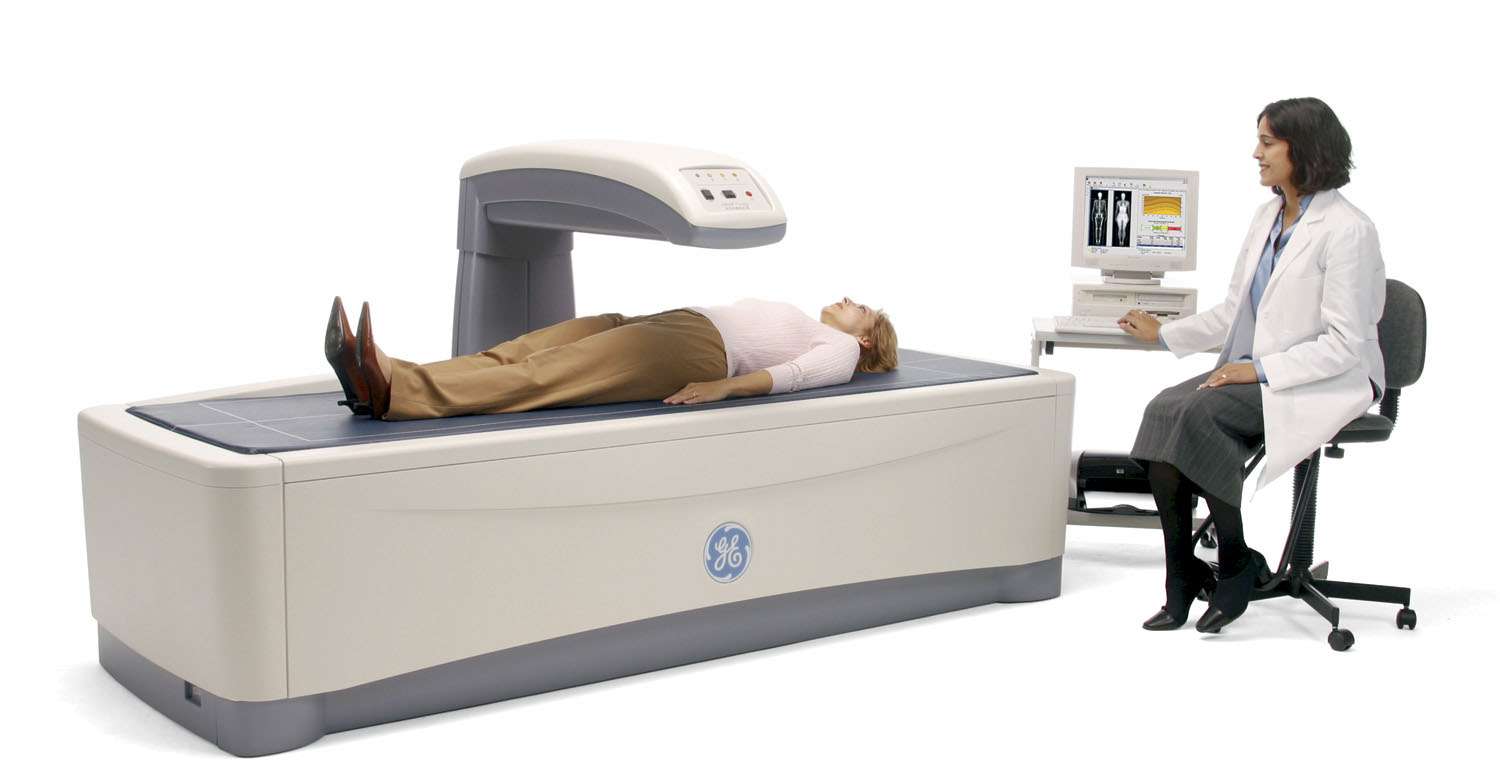
I received an email last month from a seventy-one-year-old woman named Dorothy who was confused by her DEXA results. Her bone density scan — the one her doctor ordered for osteoporosis screening — showed normal bone mineral density with a T-score of -0.8. But the body composition report from the same machine, same day, same technician, showed her lean mass as surprisingly low and her body fat as higher than she expected. She asked me the same question I have heard a hundred times: "How can the same machine give me two different pictures of my body?"
The answer is that DEXA is not one test. It is two tests that happen to use the same hardware. The bone density scan and the body composition scan use different X-ray energies, different software algorithms, different calibration standards, and different quality control procedures. They are as different as a blood pressure cuff and an EKG, even though they both involve measuring something about your cardiovascular system. Understanding the distinction is essential for anyone who gets a DEXA scan and wants to interpret the results correctly.
Bone density DEXA uses a higher X-ray energy peak — typically 70 to 80 kiloelectronvolts — optimized to distinguish bone mineral from soft tissue. The software analyzes the pixel-by-pixel attenuation of the X-ray beam and calculates bone mineral content per unit area, expressed as grams per square centimeter. This is compared to a young adult reference population to generate T-scores and Z-scores. The scan is fast — about five minutes for the spine and hip — and the radiation dose is minimal, roughly one-tenth of a chest X-ray.
📊
Body Fat Percentage Estimator
Estimate your body fat percentage using the Navy method, YMCA method, or 3-site/7-site skinfold Jackson-Pollock equations. Free. Private. No data leaves your browser.
All data stays in your browser — we never see it.
Body composition DEXA uses a broader spectrum of X-ray energies — typically 38 to 70 keV — to distinguish three tissue compartments: bone mineral, lean soft tissue, and fat soft tissue. The software applies a three-compartment model that separates pixels based on their attenuation properties. Bone is the most dense and attenuates the most X-rays. Fat is the least dense. Lean soft tissue falls in between. The scan takes longer — ten to fifteen minutes for a total body scan — and the analysis is more complex.
The critical difference is calibration. Bone density DEXA is calibrated against a phantom with known bone mineral density — typically a block of calcium hydroxyapatite with a density of 1.0 grams per cubic centimeter. Body composition DEXA is calibrated against a phantom with known fat and lean mass — typically a block of lard and a block of lean tissue equivalent. These are different phantoms, different calibration curves, and different quality control standards. A machine that is perfectly calibrated for bone density may be slightly miscalibrated for body composition, and vice versa.
📊
Lean Body Mass Calculator
Calculate lean body mass from weight and body fat percentage. Includes bone mass estimate, organ mass reference ranges, and residual mass breakdown.
All data stays in your browser — we never see it.
Here is how the two modes compare:
| Feature | Bone Density Mode | Body Composition Mode |
|---|
| X-ray energy | 70-80 keV | 38-70 keV |
| Scan time | 5 minutes (spine/hip) | 10-15 minutes (total body) |
| Radiation dose | ~1-5 μSv | ~1-10 μSv |
| Calibration phantom | Bone mineral standard | Fat/lean tissue standard |
| Software algorithm | Two-compartment (bone/soft) | Three-compartment (bone/lean/fat) |
| Primary output | BMD, T-score, Z-score | Body fat %, lean mass, visceral fat |
| Quality control | Daily phantom scan | Weekly to monthly phantom |
| Technician training | ISCD certification | Variable (often less formal) |
📊
Bioelectrical Impedance Guide
Understand how BIA works, what affects accuracy, and how to get the most consistent readings. Hydration, electrode placement, consumer vs professional devices.
All data stays in your browser — we never see it.
The Medicare reimbursement issue is where this gets practical. Medicare covers DEXA for bone density screening in women over sixty-five and men over seventy who meet risk criteria. It does not cover body composition DEXA for any indication. This means that most hospital radiology departments run their DEXA scanners in bone density mode, optimized for T-scores and fracture risk assessment. The body composition software may be installed, but it is often not calibrated or maintained with the same rigor as the bone density side. When Dorothy got her "body composition" report from the hospital, it was generated by software that had not been validated that month.
I see this constantly. Clients come to me with hospital DEXA body composition reports that show bizarre numbers — lean mass that does not match their weight, body fat percentages that conflict with visual assessment, visceral fat areas that seem impossibly high or low. When I ask about the scanning protocol, the answer is almost always the same: "They were doing bone density, and they ran the body composition software as an afterthought." The machine was not set up for body composition. The technician was not trained in body composition analysis. The report is not reliable.
📊
BMI vs Body Fat Analyzer
Compare BMI and body fat percentage side by side. Detect BMI false positives for athletes and flag normal weight obesity. Free. Private.
All data stays in your browser — we never see it.
For accurate body composition DEXA, you need a facility that prioritizes body composition over bone density. Sports medicine clinics, university research labs, and dedicated body composition studios typically run their scanners in body composition mode with weekly phantom scans, trained technicians, and software optimized for soft tissue analysis. The difference in report quality is dramatic. A properly run body composition DEXA gives you regional breakdowns, visceral fat area, bone mineral density, and lean mass distribution. A bone density DEXA with body composition tacked on gives you a total body fat percentage and not much else.
The radiation dose is also slightly different. Bone density scans of the spine and hip use a narrower X-ray beam and lower total radiation than a full-body composition scan. A total body DEXA delivers roughly 1 to 10 microsieverts, depending on the machine and scan speed. A spine-and-hip bone density scan delivers 1 to 5 microsieverts. Both are negligible — you get more radiation from a cross-country flight — but the principle matters. If you only need bone density, you do not need a total body scan.
Can a bone density DEXA also measure body composition?
Technically yes, but the accuracy depends on whether the machine is calibrated and operated in body composition mode. Most hospital radiology departments optimize for bone density and run body composition software as a secondary feature without the same quality control.
Why do my bone density and body composition reports from the same scan disagree?
Because they use different X-ray energies, different software algorithms, and different calibration standards. The bone density side is tightly regulated and frequently calibrated. The body composition side may not be.
Should I get a total body DEXA or just spine and hip?
For bone density screening, spine and hip are sufficient and covered by insurance. For body composition assessment, you need a total body scan at a facility that specializes in soft tissue analysis. Do not rely on hospital bone density scans for accurate body composition data.
How much does a body composition DEXA cost compared to bone density?
Bone density DEXA is typically covered by insurance for qualifying patients. Body composition DEXA is rarely covered and costs $50 to $150 out-of-pocket at sports medicine clinics and research facilities.
Where can I get an accurate body composition DEXA in Portland?
Sports medicine clinics, university research labs, and dedicated body composition studios offer properly calibrated total body DEXA scans. Ask whether they run body composition mode, how often they calibrate, and whether the technician is trained in soft tissue analysis.
Dorothy ended up getting a follow-up total body DEXA at a sports medicine clinic I recommended. Her bone density was confirmed as normal. Her body composition showed 34% body fat — higher than she wanted, but consistent with her age and activity level. Her lean mass was low, which explained why she felt weak climbing stairs. She started resistance training twice a week and scheduled a follow-up scan in six months. The same machine, properly calibrated, told a very different story.
Your DEXA scan is only as good as the mode it is running in. Ask the right questions. Get the right test. And remember that a machine built to measure bone can only measure body composition if someone takes the time to set it up correctly.
Your bones and your body fat are different tissues. They deserve different tests.
— Emily Clarke, Exercise Physiologist & Former Fitness Studio Body-Testing Lead, Portland, Oregon